Share This Article
Most adult pets require a professional dental exam at least once per year to prevent periodontal disease, though high-risk groups like senior pets, small dog breeds, and flat-faced animals often need checkups every six months. Regular dental evaluations are Important because untreated oral infections can spread through the bloodstream, leading to severe complications in the heart, liver, and kidneys.
Key Takeaways:
- Gold Standard Frequency: Annual dental exams are the baseline for healthy adult dogs and cats to identify plaque and tartar before they cause pain.
- High-Risk Categories: Puppies, kittens, senior pets, and small breeds (like Yorkies or Chihuahuas) typically benefit from more frequent, bi-annual (every 6 months) assessments.
- Systemic Health Link: Dental health is directly connected to internal organ function; preventive cleanings help protect your pet from chronic kidney and heart disease.
- Hidden Pain: Pets are experts at masking dental pain; professional exams are the only way to detect issues like root abscesses and jaw bone destruction early.
As per a Banfield Pet Hospital study, around 73% dogs and 64% cats seen there were diagnosed with dental-related issues.
We’ve seen a ton of clients ask us, “Do pets really need teeth cleaning?”. We explain to them clearly that dental disease isn’t just another cosmetic issue. When left unchecked, it can lead to chronic pain, tooth loss, and worse of all, life-threatening complications. So, it’s absolutely necessary for them to get proper dental care.
In this blog, we will understand the importance of Pets Dental Care, symptoms that alert you to get your pet’s dental exam done, the pet dental checkup frequency and what happens during a pet dental exam.
Why Dental Health Matters for Pets?
It is deeply connected to your pet’s overall health.
A North Shore Animal League article shares that about 80% dogs and 70% cats have oral diseases by the time they become 3 years old.
When left untreated, it causes the following:
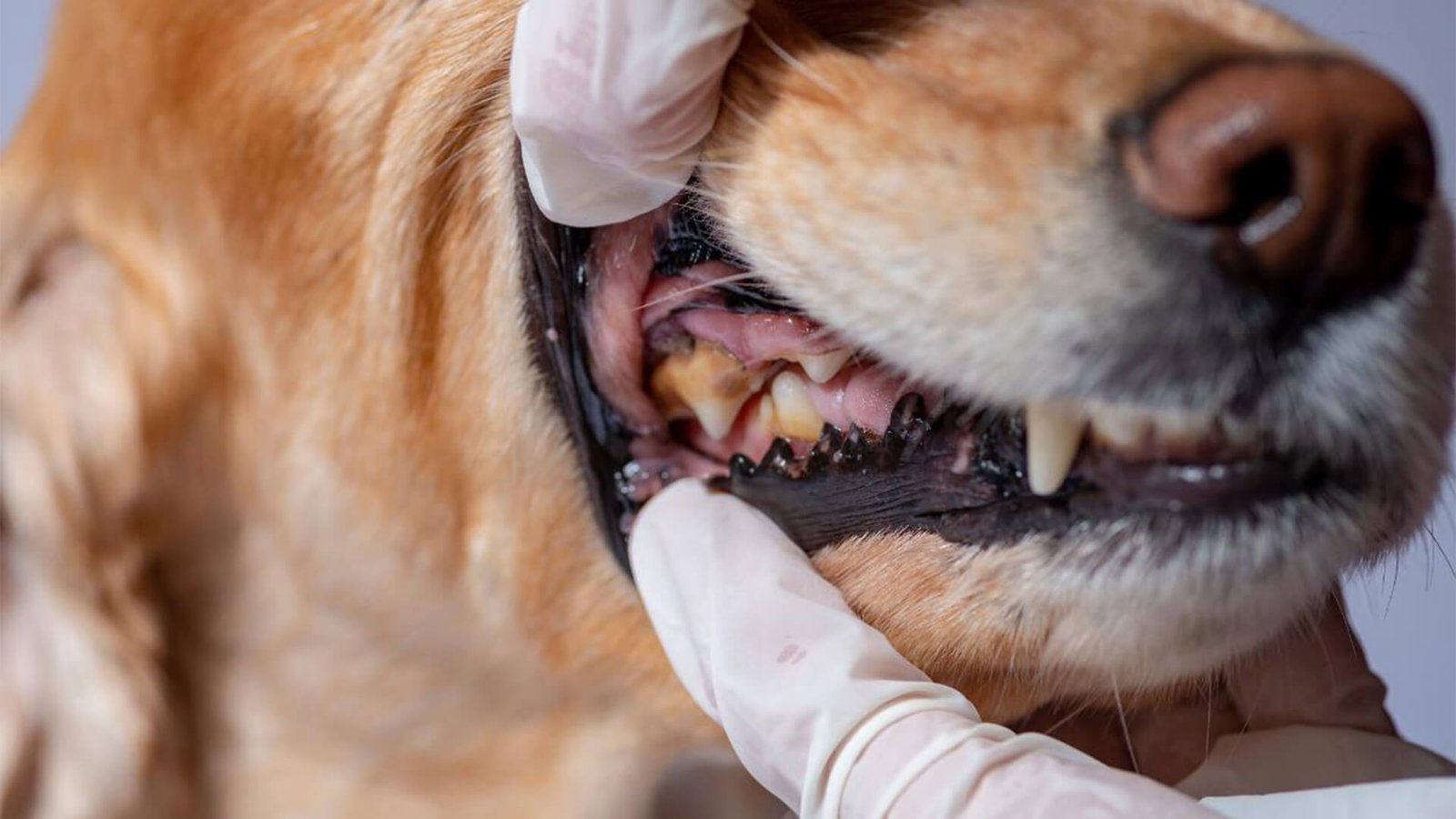
- Gum disease and tooth loss: Plaque turns to tartar, leading to gingivitis and irremediable periodontal disease. This leads to extreme pain, tooth loosening and, eventually, tooth loss. And as a result, it makes eating difficult and the risk of malnutrition increases.
- Pain and infection: Pets have a tendency to instinctively hide signs of discomfort. These signs include avoiding eating or playing, and chronic oral pain. Abscesses, jaw bone destruction, and jaw fractures due to bone less are some common causes of infections from advanced dental diseases.
- Heart, kidney and liver issues: When bacteria from infected gums and teeth enters the bloodstream, health complications arise. These bacteria can also settle in and impact the vital organs. In case of the heart, they can colonize the heart valves and lead to endocarditis (considered a life-threatening complication). And in case of kidney and liver, the continuous spread can damage these organs and cause chronic liver and kidney disease.
Chronic oral discomfort and illness can reduce your pet’s activity, happiness and lifespan. Preventive dental care and regular veterinary examinations are crucial to ensure your pet stays healthy.
You might also want to read: Why Dental Hygiene is Important for Pets
What are the Signs of Dental Disease in Pets?
Just like humans, there are noticeable patterns in dogs/cats that signal a dental examination. Here are some of them:
- Drooling or pawing at the mouth: They are some common signs of discomfort or oral pain. And, this is due to inflamed gums, underlying tooth problems or ulcers.
- Reluctance to eat hard food: When your dog/cat avoids eating hard food suddenly, chews on just one side, shows appetite change or similar behavior changes, know that it’s a dental disease and requires veterinary examination.
- Swollen or bleeding gums: If you find blood stains on your pet’s toys or in their water bowl, view it as a warning sign. Furthermore, swollen or bleeding gums, if seen, indicate periodontal disease or gingivitis.
- Foul breath: The bacteria or infection in your pet’s mouth is a major cause for persistent bad breath (halitosis). And, this is usually the first and most visible sign of dental disease.
If you notice any of the aforementioned, it’s time to schedule a dental exam at the earliest, or start with an emergency pet care consultation.
How Often Should You Schedule Dental Exams?
Top veterinary organizations like the American Veterinary Medical Association and the American Animal Hospital Association provide a clear dental care timeline for dogs/cats.
- Puppies and kittens: For kittens and small-breed puppies, a complete dental cleaning is recommended at around 6 months. This is the time when adult teeth have erupted and congenital issues can be spotted.
- Adult pets: While true for humans as well, annual dental care service for pets is a gold standard. Oral health examination, as per AAHA Dental Care Guidelines, needs to be a part of your fur baby’s yearly vet assessment. It will help identify and work on dental disease before it becomes painful/unbearable.
- Senior pets: For this category, semi-annual is the way to go. As your pets age, the risk of them suffering from periodontal disease, tooth decay, and similar health problems increases. So, monitoring and cleaning becomes more frequent.
The guidelines shared above are not arbitrary. They’re guided by large-scale clinical research stating that undetected dental disease can lead to major problems for your pet. Also, the pet dental cleaning cost will depend on the frequency and nature of the test.
You might also want to read: How Often Should You Visit a Veterinarian?
What Happens During a Pet Dental Exam?
The following is what happens during a veterinary dental checkup for pets –
- Inspection: The first step is the visual inspection of your pet’s mouth, including teeth, gums and surrounding tissues. It’s done to check for plaque, inflammation, tartar, and any other issues.
- Dental Charting: The vet performs dent charting to document each tooth’s condition, monitor any changes and plan the appropriate treatment.
- Dental X-rays: If the need arises, X-rays are done to expose hidden issues like bone loss, root infection, and more.
- Report discussion: The vet will discuss the findings with you, the identified problems and the underlying treatment.
The process, overall, ensures early detection of potential issues and helps maintain your pet’s oral and overall health.
Why Choose Hot Springs Animal Hospital for Your Pet’s Dental Care?
Led by an experienced and compassionate veterinary team, including Dr. Avtar Gill, Our Emergency Vet Murrieta offers top-quality dental care services with thorough oral health assessments during each visit.
Our hospital uses top-of-the-line and modern diagnostic equipment, and gentle, evidence-based methods to accurately identify and treat your pet’s dental issues, keeping their comfort and safety a top priority.
We are based in the Murrieta region of California and provide accessible care with extended hours and emergency pet services too. This ensures timely treatment without stress and long travel.
FAQs
Share This Article

Written by : Hot Springs Animal Hospital
Hot Springs Animal Hospital is dedicated to providing exceptional veterinary care in Murrieta, CA. Our experienced team is passionate about keeping pets healthy through preventive care, advanced treatments, and compassionate service. We proudly serve pet parents with a full range of veterinary services to ensure every pet lives a long, happy life.