Share This Article
Pets require different vaccines throughout life to remain protected against preventable infectious diseases. Puppies and kittens begin vaccinations around 6–8 weeks, followed by scheduled booster doses. Your veterinarian creates a personalized vaccination plan based on age, health, and daily exposure risks.
Key Takeaways
- Core vaccines protect Murrieta pets from highly contagious and potentially fatal diseases like rabies, parvo, and distemper.
- Puppies and kittens require a multi-dose vaccine series starting around 6–8 weeks, followed by timely boosters.
- Rabies vaccination is legally required in California and must stay up to date.
- Lifestyle factors (boarding, parks, grooming, exposure to other pets) determine which non-core vaccines are needed.
- Indoor pets are still at risk and benefit from core vaccinations due to accidental exposure.
- Mild post-vaccine reactions are common, but serious side effects are rare when vaccines are vet-approved.
If you share your life with a dog or cat, this complete pet vaccination guide is a practical solution you can follow to understand which shots matter, how often pets need them, and how California rules fit in.
Why Pet Vaccinations Matter in Murrieta’s Climate?
Murrieta’s warm, dry weather keeps dogs and cats outdoors more often, which means steady exposure to viruses that linger in soil and on shared surfaces.
Parvovirus can sit in the environment for months, so a quick walk or trip to a park can be enough for an unvaccinated dog to get sick. Close contact at daycares, groomers, and training classes also fuels the spread of kennel cough and canine flu.
Wildlife adds real risk too, like rabies remains active in local bats and skunks. California law requires rabies vaccines for all dogs by four months, and veterinarians strongly urge the same protection for cats. Visit out Pet Vaccination Services in Murrieta to get all at one Place.
Understanding Core vs. Non-Core Pet Vaccines
Core vaccines for dogs include DHPP (distemper, adenovirus, parvovirus, parainfluenza) and rabies. For cats, core vaccines include FVRCP (feline viral rhinotracheitis, calicivirus, and panleukopenia), rabies, and FeLV for kittens. These protect against common, highly contagious, life-threatening diseases, which is why veterinarians recommend them nationwide.
Non-core vaccines are chosen after you talk with your veterinarian about daily life. In Murrieta, these often include Bordetella and sometimes canine influenza for social dogs, leptospirosis for dogs that hike or drink from puddles or standing water, and FeLV protection for adult cats that go outdoors or live with other cats.
Each vaccine presents a harmless version or piece of a virus or bacterium so the immune system can practice. Later, if your dog or cat meets the real disease, their body already has antibodies and memory cells, which usually prevents illness or makes it much milder.
Dog Vaccination Guide in Murrieta
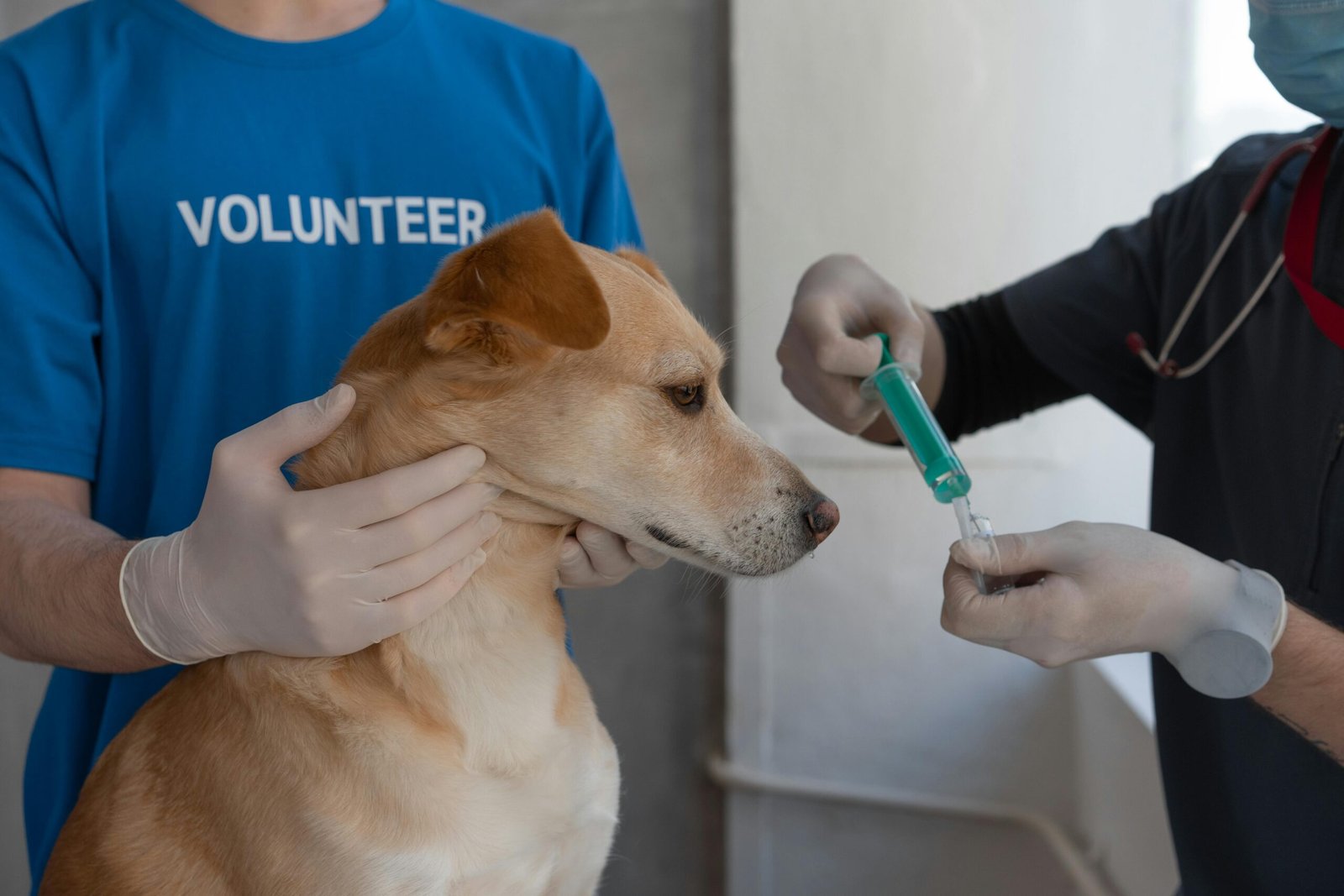
Puppy Vaccine Schedule (Birth-16 Weeks)
Puppies are born with short-term antibodies from their mother. As those fade over the first weeks of life, vaccines build lasting protection, so the puppy vaccination schedule in Murrieta includes a series of visits instead of a single shot.
A common schedule looks like this:
- 6-8 weeks: first DHPP; Bordetella for puppies that will be around other dogs
- 10-12 weeks: second DHPP; add leptospirosis for at-risk puppies if recommended
- 14-16 weeks: final DHPP in the puppy series; first rabies vaccine to meet California law
Some veterinarians add a DHPP booster around six months for puppies whose early protection may have lasted longer.
Adult Dog Booster Timeline
After the puppy series and first-year boosters, how often do adult dogs need vaccines depends on age, health, and lifestyle, but many follow this pattern:
- DHPP: booster about one year after the last puppy dose, then usually every three years
- Rabies: booster one year after the first dose, then typically every three years, depending on vaccine type and local rules
- Bordetella, leptospirosis, and canine influenza: usually every year while your dog’s lifestyle keeps the risk high
Travel/boarding vaccine requirements often include proof of current rabies, core vaccines, Bordetella, and sometimes canine influenza, so it helps to keep certificates easy to find before trips, grooming, or daycare.
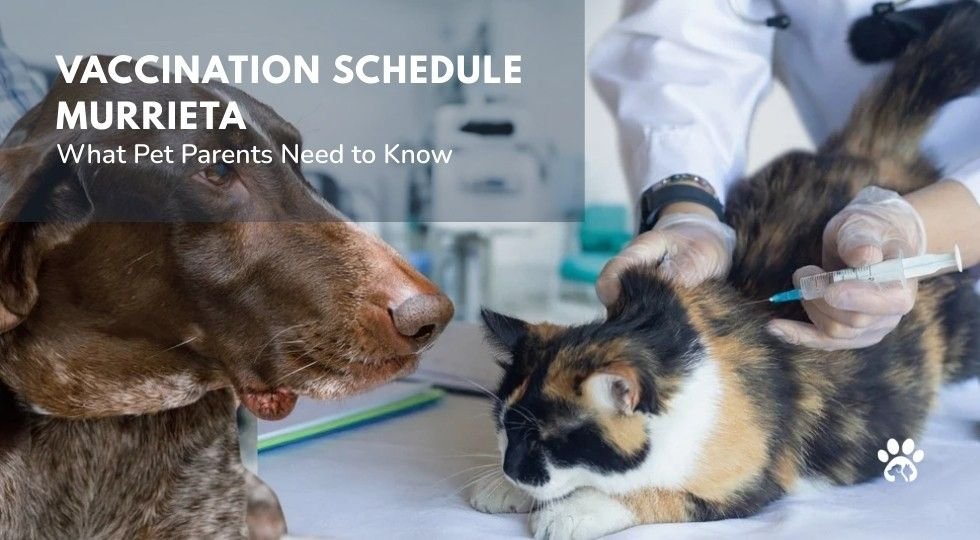
Read More: Pet Vaccination Schedule Murrieta
Cat Vaccination Guide in Murrieta
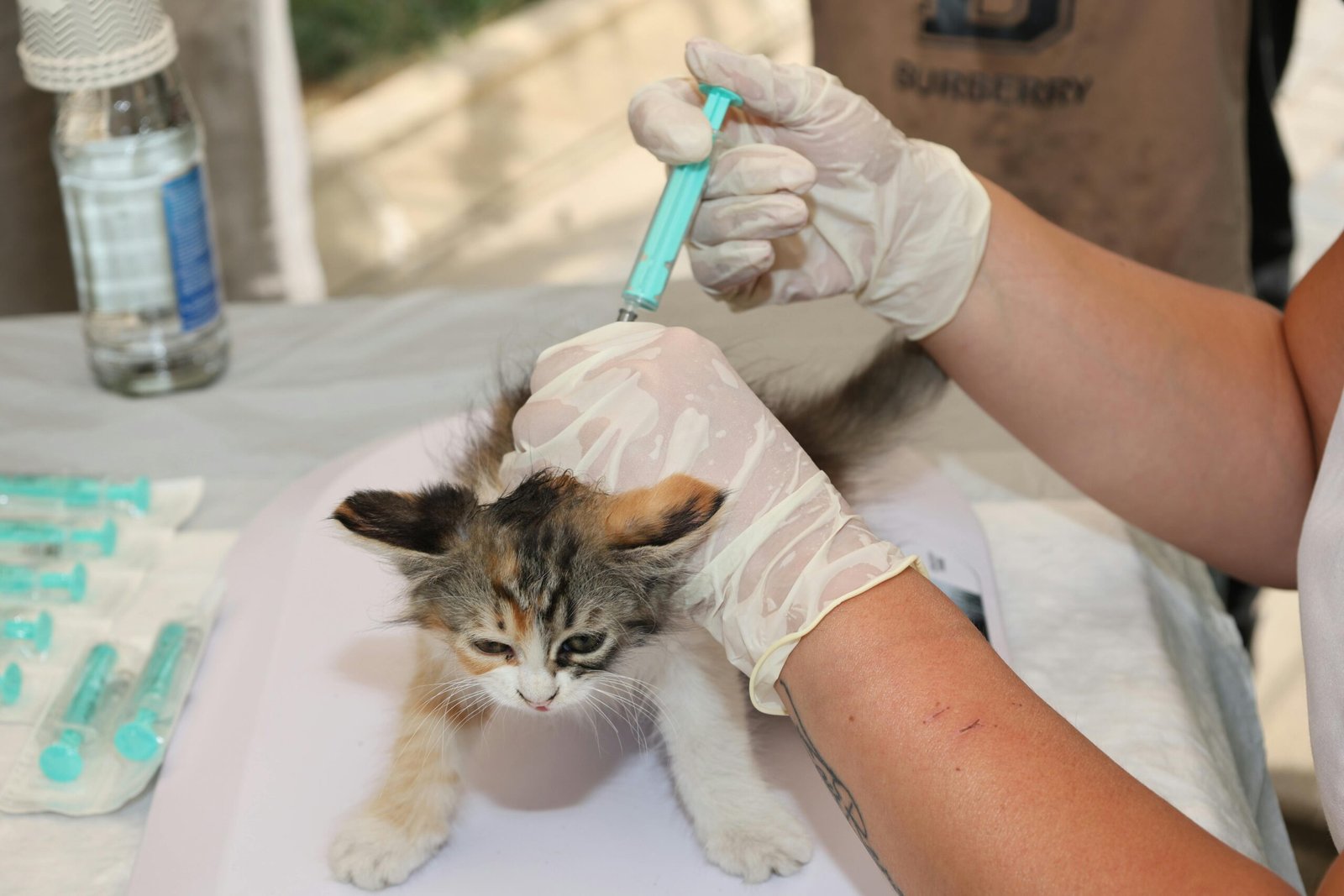
Cats also do best with an age-based plan.
Kitten Vaccine Schedule (Birth-16 Weeks)
Kittens need protection against serious respiratory and gastrointestinal viruses. The kitten vaccination schedule in Murrieta usually includes:
- 6-8 weeks: first FVRCP
- Every 3-4 weeks until at least 16 weeks: FVRCP boosters
- Around 8-12 weeks: FeLV series for FeLV-negative kittens
- 12-16 weeks: first rabies vaccine
FeLV is treated as a core vaccine during kittenhood because young cats are more vulnerable to infection.
Adult Cat Booster Timeline
How often do adult cats need vaccines depends mainly on whether they live indoors or also spend time outside.
- FVRCP: booster one year after the kitten series, then often every three years for low-risk indoor cats
- Rabies: booster one year after the first dose, then every one to three years, depending on the vaccine and local regulations
- FeLV: continued every one to two years for outdoor cats or multi-cat homes where exposure risk is higher; often stopped in low-risk strictly indoor adults
If your cat’s lifestyle changes, such as more outdoor time, a move, or new cats joining the household, revisit their plan with your veterinarian.
Read More: When Should Your Dog or Cat Get Vaccinated?
Vaccine Side Effects: What’s Normal & What’s Not
Most pets handle vaccines very well. Mild effects for a day are common and include:
- Slight soreness or warmth at the injection site
- Sleepiness or a quieter evening than usual; let your pet rest and offer water and their normal food
- A temporary dip in appetite
More serious reactions are uncommon. Call a veterinarian immediately if your pet shows:
- Repeated vomiting or diarrhea
- Facial swelling, hives, or widespread itching
- Trouble breathing, collapse, or extreme weakness
- A lump at the injection site that continues to grow over weeks, especially in cats
The diseases vaccines prevent, such as parvovirus, distemper, panleukopenia, and rabies, are far more dangerous than the brief discomfort of a shot. Pet vaccine myths that suggest healthy or indoor pets never need vaccines ignore how unpredictable real-world exposure can be.
How to Stay on Track With Your Pet’s Vaccine Schedule?
A little organization goes a long way toward keeping your pet fully protected and is a simple way for how to keep pets safe from diseases that vaccines can prevent.
- Ask your veterinary team for a written timeline with due dates for each vaccine
- Set digital calendar reminders a few weeks before each booster
- Keep photos or scans of vaccine certificates and rabies tags in a dedicated folder on your phone
These habits make it easier to stay current and to meet any travel/boarding Vaccine Requirements without last-minute stress.
Read more: How Much Do Pet Vaccines Cost in Murrieta?
Conclusion
Keeping your pet protected in Murrieta comes down to staying consistent with a smart, age-appropriate vaccine plan. When dogs and cats are up to date, they’re far less likely to face emergencies that are expensive, stressful, and often preventable.
If you’re unsure where your pet stands or it’s been a while since their last visit, schedule a vaccination appointment at Animal Hospital in Murrieta; we’ll get everything back on track.
Frequently Asked Question
Share This Article

Written by : Hot Springs Animal Hospital
Hot Springs Animal Hospital is dedicated to providing exceptional veterinary care in Murrieta, CA. Our experienced team is passionate about keeping pets healthy through preventive care, advanced treatments, and compassionate service. We proudly serve pet parents with a full range of veterinary services to ensure every pet lives a long, happy life.