Share This Article
Dental hygiene is one of the most important parts of your pet’s overall health because untreated dental disease can lead to pain, tooth loss, and infections that affect the heart, liver, and kidneys. Since most dogs and cats begin showing signs of dental disease by age three, early preventive dental care plays a major role in long-term health and comfort.
Key Takeaways:
- Early Dental Disease: Most pets develop signs of dental disease by age three, often before owners notice visible symptoms.
- More Than Bad Breath: Poor oral hygiene can allow bacteria to spread through the bloodstream and impact major organs.
- Warning Signs: Bad breath, tartar buildup, red gums, and trouble eating are common indicators of dental disease.
- Professional Cleanings Matter: Veterinary dental cleanings remove plaque and bacteria below the gumline that brushing cannot reach.
- Higher Risk for Small Breeds: Small dogs are more likely to develop dental problems because of crowded teeth and faster plaque buildup.
- Preventive Care Helps Long-Term: Routine dental exams and home care support healthier teeth, gums, and overall wellness.
Many pet owners believe bad breath is normal, but in reality, it is often one of the earliest signs of dental disease. Poor oral health can silently progress beneath the gumline, causing inflammation, infection, and pain long before visible symptoms become severe. That is why maintaining proper dental hygiene for pets is about far more than keeping teeth clean, it is a critical part of preventive veterinary care.
The importance of dental hygiene for pets grows with age, but it starts Early.
Note: If you want to learn what a professional dental visit includes, you can learn more about our Pet dental services and schedule an oral health check as part of a pet wellness exam.
What Happens When Pet Dental Hygiene Is Neglected?
Dental problems usually follow the same path.
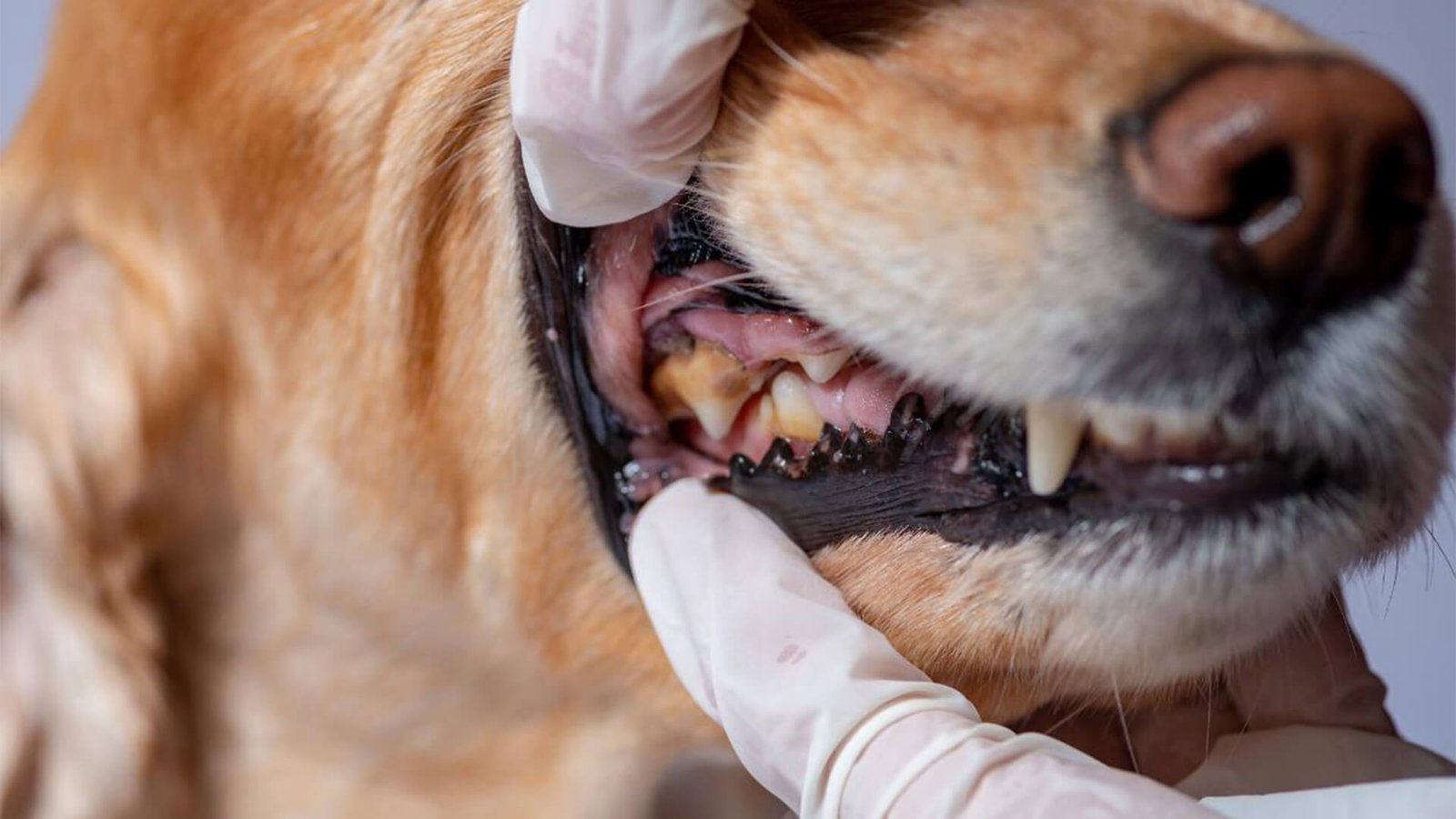
Plaque is a sticky film that builds up on teeth every day. If it is not removed, it hardens into tartar. Tartar irritates the gums, which can lead to gingivitis. If gingivitis keeps going, it can turn into periodontal disease, where infection damages the gum tissue and the support around the teeth. By age 3, most dogs and cats already have some early dental disease, even if they still act normal.
When dental disease gets worse, it can cause:
- Tooth decay and loose teeth
- Gum infections that bleed or hurt
- Mouth pain that makes eating harder
It can also do something more serious. Inflamed gums make it easier for bacteria to enter the bloodstream, which is one reason pet dental disease prevention matters so much.
Dogs vs Cats, Differences in Dental Risks
Dogs and cats both need dental care, but their risks are not always the same.
Dogs often build tartar quickly, especially smaller dogs with crowded teeth. Many dogs also crack or wear down teeth from chewing hard items like bones, antlers, rocks, or very hard toys. A broken tooth can be painful and can become infected.
Cats are different in two big ways. First, they are great at hiding pain, so dental problems can be easy to miss. Second, cats commonly get tooth resorption, where parts of a tooth break down over time. Cornell notes that tooth resorption is the most common cause of tooth loss in cats, and that 30% to 70% of cats show some sign of it.
One more thing to keep in mind. Statistics vary by source, but the big picture is the same: dental disease is extremely common in both species by age 3.
How Poor Oral Health Affects the Entire Body?
A sore mouth affects daily life fast. Pets may chew slowly, drop kibble, swallow food whole, or avoid crunchy treats. Over time, that can lead to less appetite, low energy, and weight loss.
But the mouth can affect more than meals. When periodontal disease is present, bacteria and inflammation can spread beyond the gums. This can add stress to organs like the heart, kidneys, and liver. The Merck Veterinary Manual notes that periodontal disease is not without systemic effects, and it has been associated with increased risk of chronic kidney disease.
There is also research connecting worse periodontal disease in dogs with higher risk of heart related problems such as endocarditis and other cardiovascular events.
Read more: How Often Should Your Pet need a Dental Exam?
Key Benefits of Maintaining Pet Dental Hygiene
Why pet teeth cleaning matters is simple: it helps your pet feel better and helps prevent problems that are harder and more expensive to fix later.
Benefits of pet dental hygiene include:
- Helping prevent tooth loss by protecting gums and the bone around teeth
- Reducing pain and infection, which can improve mood and energy
- Lowering long term costs by catching issues earlier
- Better quality of life, including a stronger appetite and easier chewing
Two real world examples that many vets see (details changed for privacy):
- A small dog with “normal bad breath” turned out to have painful gum inflammation. After a professional cleaning and simple home brushing habits, the dog ate faster and chewed toys again.
- A cat started avoiding crunchy food and became irritable. The cause was a painful tooth resorption problem. Once treated, the cat returned to normal eating and stopped pawing at the mouth.
These changes are not magic. They are what happens when a painful mouth finally feels normal again.
How Often Should Pet Dental Checkups and Cleanings Be Done?
There is no one schedule that fits every pet, but age and risk level can guide you.
Here is an easy way to think about it:
| Pet stage | Dental checkups | Cleanings |
| Puppies and kittens | Mouth check at every wellness visit, especially while adult teeth come in | Only if a problem is found, like retained baby teeth |
| Healthy adults | At least once a year | As recommended based on tartar, gum health, and breed risk |
| Higher risk adults (small breeds, flat faced pets, past dental issues) | Often more than once a year | May need cleanings more often |
| Seniors | At least once a year, often more | Many seniors need closer monitoring because problems add up over time |
AAHA dental guidelines recommend a first true dental prophylaxis by 1 year of age for cats and small to medium dogs, and by 2 years for larger dogs.
During a dental exam, your vet typically checks for:
- Tartar buildup and gum redness
- Loose, broken, or painful teeth
- Bad breath that suggests infection
- Swelling, bleeding, or sores in the mouth
A quick note about “anesthesia free” cleanings. They can remove some visible tartar, but they do not allow proper cleaning or inspection below the gumline, where most disease lives. Our vets and even reputed non-profits like AVMA do not recommend anesthesia free dental cleanings for this reason.
Read more: How Often Should You Visit a Veterinarian?
Conclusion
Why dental hygiene is important for pets comes down to one thing: comfort today and better health later.
Pet oral hygiene helps prevent painful gum disease, keeps teeth in place longer, and can reduce the strain that chronic mouth infection puts on the body.
If you are not sure where your pet stands, the easiest next step is a dental check as part of a wellness exam, or a visit focused on dental care. Schedule an appointment at Hot Spring Animal Hospital today.
FAQs
Share This Article

Written by : Hot Springs Animal Hospital
Hot Springs Animal Hospital is dedicated to providing exceptional veterinary care in Murrieta, CA. Our experienced team is passionate about keeping pets healthy through preventive care, advanced treatments, and compassionate service. We proudly serve pet parents with a full range of veterinary services to ensure every pet lives a long, happy life.