Share This Article
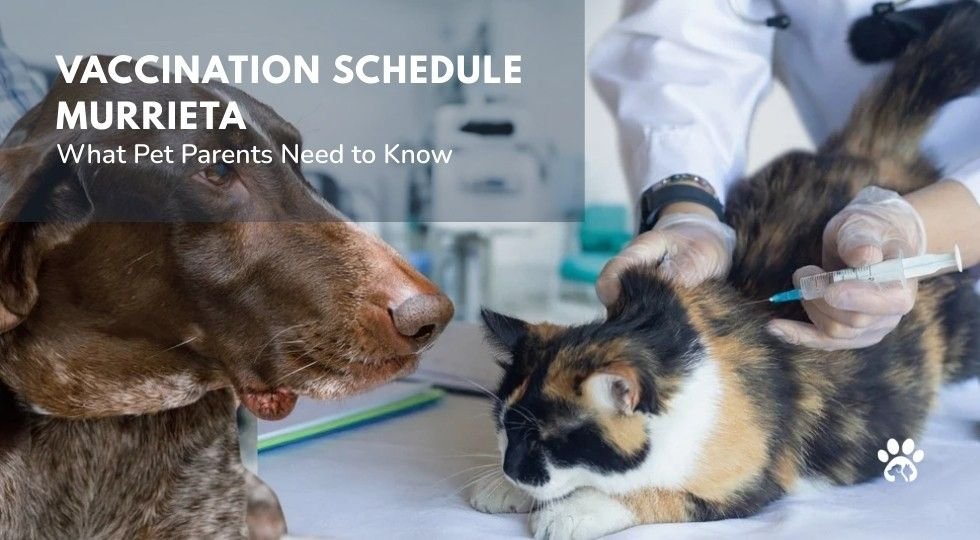
Most puppies and kittens’ vaccination schedule in Murrieta begins at 6–8 weeks of age to build early immunity. Booster vaccines are usually given every 3–4 weeks until about 16 weeks. Adult pets need regular boosters based on vaccine type, lifestyle, and your veterinarian's recommendations.
Key Takeaways:
- Pet vaccinations protect not only dogs and cats but also families and the wider Murrieta community, with rabies required by California law.
- Core vaccines are essential for nearly all pets, while non-core vaccines depend on lifestyle factors like boarding, outdoor exposure, travel, and local disease risks.
- Puppies and kittens should begin their vaccine series around 8 weeks of age, with boosters every 3–4 weeks until about 16 weeks.
- Adult pets typically receive boosters every 1 to 3 years, while senior pets benefit from individualized vaccination plans based on health and exposure risk.
- Rabies vaccination follows a legally enforced schedule in Riverside County, starting in early puppyhood or kittenhood and continuing throughout life.
- Most vaccine reactions are mild and temporary, but pet parents should watch closely and contact a vet immediately if severe symptoms appear.
- A vaccination visit at Hot Springs Animal Hospital includes a full wellness exam, tailored vaccine recommendations, proper documentation, and clear aftercare guidance.
Think about the last time your dog raced to the door when you came home or the quiet way your cat curls up on your lap. From first puppy zoomies to quiet senior naps, going for pet vaccination Service in Murrieta is a First step that protects the big memories you share with your pets.
This guide explains which vaccines matter for puppies, kittens, and adult pets, a simple dog or cat vaccination schedule Murrieta, and exactly what to expect when you bring your pet to Hot Springs Animal Hospital.
Why Does Vaccinating Your Pet Matter?
Vaccines give your pet a safe way to build protection before they meet a dangerous disease. Here’s why that matters in plain terms:
- Protection for your pet: Vaccines cut the risk of severe illness and long, costly treatment.
- Protection for your family: Some diseases, like rabies, can spread to people. Vaccination lowers that risk. This shows why pet vaccines are important beyond just one pet.
- Protects the community: High vaccination rates stop outbreaks and help animals that can’t be vaccinated.
- Legal and practical needs: Rabies shots are required by California law. Many kennels, groomers, and airlines also require proof.
Core vs. Non‑Core Vaccines
Core vaccines dogs cats USA are the baseline shots most pets should get because they protect against common, serious, or easily spread diseases. They help pet owners avoid much higher treatment expenses than the routine pet vaccine cost. Non‑core vaccines are optional and are added when a pet’s lifestyle, travel plans, or local disease risk make them useful.
| Aspect | Core vaccines | Non-core vaccines |
| Vaccines for dogs | DHPP (distemper, hepatitis/adenovirus, parainfluenza), parvovirus, rabies, leptospirosis | Bordetella (kennel cough), Lyme, canine influenza |
| Vaccines for cats | FVRCP (feline viral rhinotracheitis, calicivirus, panleukopenia), rabies | FeLV (feline leukemia) for outdoor or multi-cat homes |
| Who gets them / when | Almost all dogs and cats. Puppies and kittens start a series early. Rabies may be required by law. | Given only when risk justifies it: outdoor access, frequent boarding, travel, lots of social contact, or local outbreaks. |
| Timing and schedule | Puppy/kitten series usually starts at 8 weeks, boosters every 3 to 4 weeks until about 16 weeks. Adult boosters are often every 1 to 3 years, depending on the vaccine. | Timing varies by vaccine and need. Your vet will add these to your cat or dog vaccination schedule Murrieta, if risk factors apply. |
| Alternatives and special cases | Blood titer testing can sometimes show existing immunity and guide booster timing. Vets may delay vaccines for sick, pregnant, or immunocompromised pets. | Same options apply. Some non-core vaccines are given only seasonally or for short-term risk (for example, before travel or boarding). |
| What you should do | Ask your vet for the baseline plan, keep records, and follow the recommended booster schedule. | Discuss your pet’s lifestyle and risks with your vet, bring vaccination records for boarding or travel, and consider titer testing if appropriate. |
What Is the Recommended Pet Vaccination Schedule Murrieta?
Cat and dog vaccination schedule Murrieta can feel complicated, so here’s a simple chart you can follow as a pet vaccination guide:
Puppy Vaccination Schedule Murrieta
| Age | Vaccine |
| 8 weeks | DHPP (distemper/parvo, etc.)—1st |
| 10–12 weeks | DHPP—2nd, Leptospirosis 1st |
| 14–16 weeks | DHPP final, Rabies, Leptospirosis booster |
| 12 months | DHPP, Rabies |
Kitten Vaccination Schedule Murrieta
| Age | Vaccine |
| 8 weeks | FVRCP—1st |
| 10–12 weeks | FVRCP—2nd |
| 14–16 weeks | FVRCP final, Rabies, FeLV if at risk |
| 12 months | FVRCP, Rabies |
Adult and Senior Dog + Cat Vaccination Schedule Murrieta
| Age | Vaccine |
| Adult (after 1 yr) | DHPP/FVRCP boosters |
| Rabies | 1‑ or 3‑year |
| Senior pets | Individualized (Assess immune status, chronic disease, and exposure risk with your vet) |
Rabies Vaccine Murrieta: What Are the Legal Requirements and Local Process?
Rabies vaccination is required in most California jurisdictions. Riverside County enforces licensing and rabies rules.
General practice: Initial rabies at ~12–16 weeks; booster at one year; then 1‑ or 3‑year depending on the vaccine product.
Where to get shots: Local vet clinics like Hot Springs Animal Hospital, and county/shelter vaccine events.
How Safe Are Vaccines and What Side Effects Can You Expect?
Vaccines are very safe and protect most pets from serious illness. Most pets have no problems, and the reactions that do occur are usually mild and short-lived. Below is what you should expect, how to care for your pet at home, and when to seek help.
Common mild reactions and home care
Most pets do very well. You might see:
(i) soreness or a small lump at the injection site
(ii) mild sleepiness
(iii) lower appetite
(iv) low fever within a few hours that usually clears in 24 to 48 hours
Let your pet rest, offer small meals, and use a cool compress on the spot for a few minutes if needed.
Severe reactions and what to do
Serious reactions are rare but may include:
(i) facial swelling
(ii) hives
(iii) repeated vomiting or diarrhea
(iv) trouble breathing
(v) fainting
(vi) collapse
These usually start within minutes to a few hours. If you see any of these signs, call our emergency clinic right away.
Precautions and communication with your vet
Tell us before vaccinating if your pet:
(i) had a prior vaccine reaction
(ii) is on medication
(iii) is sick
(iv) is pregnant
For pets with past reactions, we may ask you to wait 15 to 30 minutes after the shot for observation.
Documentation and follow-up
We’ll record all vaccines and any reactions in your pet’s file and provide the next steps or a recheck if needed.
What to Expect at Hot Springs Animal Hospital During a Vaccination Visit?
Bringing your pet in for vaccines should feel simple and reassuring. We start with a quick wellness check, explain what we recommend, and make sure you know the next steps. During a visit, you can expect the following:
- Comprehensive wellness exam: Our veterinarians check overall health before any vaccine.
- Tailored vaccine plan: We recommend core and any needed non‑core vaccines based on your pet’s age and lifestyle.
- Documentation: You’ll receive an official vaccine certificate and rabies tag information for your records.
- Aftercare instructions: We explain normal reactions and when to contact the clinic.
We also offer options like low cost pet vaccines Murrieta for budget-conscious families and can issue a travel vaccine certificate Murrieta when you need documentation for trips.
Protect Your Pet With Routine Vaccines Now!
Vaccinations are one of the simplest ways to protect your pet’s long‑term health and comply with local laws. Hot Springs Animal Hospital provides Murrieta families with personalized vaccine plans, clear documentation, and compassionate care.
Book a wellness visit or schedule an appointment to start a personalized vaccine plan for your pet today. Connect with us or give us a call at (+1) 951‑600‑0830 if you have any queries regarding our vaccination services.
Frequently Asked Question
Share This Article

Written by : Hot Springs Animal Hospital
Hot Springs Animal Hospital is dedicated to providing exceptional veterinary care in Murrieta, CA. Our experienced team is passionate about keeping pets healthy through preventive care, advanced treatments, and compassionate service. We proudly serve pet parents with a full range of veterinary services to ensure every pet lives a long, happy life.