Share This Article
Learning pet emergency signs prepares you to act quickly when your pet develops a life-threatening condition. Difficulty breathing, collapse, seizures, poisoning, and uncontrolled bleeding always require urgent medical attention. Never give human medications or delay treatment while hoping symptoms improve at home.
- Key Takeaways
- Which Pet Emergency Signs Mean You Should Visit an Emergency Vet?
- 1. Difficulty breathing
- 2. Collapse or trouble standing
- 3. Continuous vomiting or bloody diarrhea
- 4. Seizures or severe tremors
- 5. Heavy bleeding that doesn’t stop
- 6. A swollen or hard abdomen
- 7. Suspected poisoning
- 8. Straining to urinate with little or no urine
- 9. Heatstroke
- 10. Severe pain
- 11. Pale, blue, or gray gums
- 12. Hit by a car or serious injury
- What Should You Do Before Reaching an Emergency Vet for Urgent Pet Care?
- Which Emergency Vet Symptoms Need Immediate Care and Which Can Wait?
“Better safe than sorry” has never been more meaningful than during a pet emergency. When something feels different about your pet, trusting your instincts and acting quickly can protect their health. The challenge is knowing when to take your pet to the vet for immediate treatment and when not.
In this blog, you’ll learn 12 signs your pet needs emergency care, understand how to recognize urgent warning signs, compare emergencies with less serious concerns, and find out what to do before reaching an emergency veterinarian for treatment.
Key Takeaways
➤ Difficulty breathing, collapse, seizures, or heavy bleeding always need immediate emergency veterinary care.
➤ Repeated vomiting, bloody diarrhea, poisoning, and heatstroke can become life-threatening without fast treatment.
➤ Stay calm, keep your pet safe during transport, and call the emergency veterinary hospital before you arrive.
➤ Knowing which symptoms can wait and which can’t helps you make faster decisions.
➤ Quick action gives your pet the best chance for a safer recovery and better outcomes.
Which Pet Emergency Signs Mean You Should Visit an Emergency Vet?
Pets often hide pain until they can no longer cope with it. Knowing which warning dog and cat emergency symptoms need urgent vet care helps you act quickly and gives your pet the best chance of a safe recovery.
1. Difficulty breathing
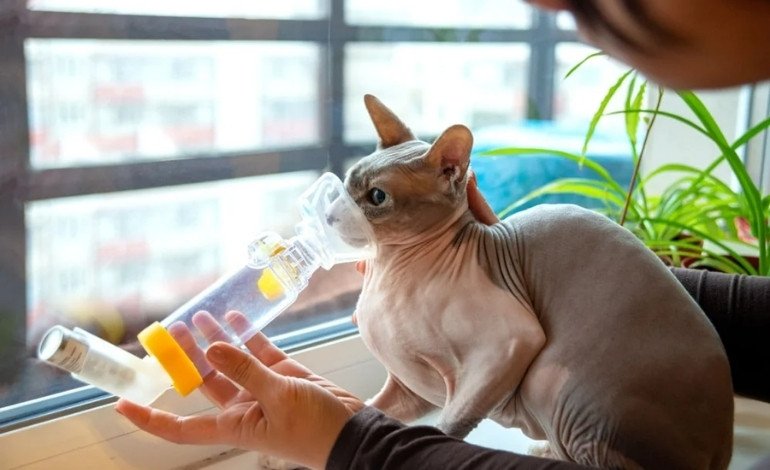
Breathing problems should never be ignored. If your pet struggles to breathe, gasps for air, breathes with an open mouth, or has blue or pale gums, treat it as an emergency. These pet health warning signs can point to heart disease, lung disease, allergic reactions, or airway obstruction. Delaying care can quickly make the condition worse.
2. Collapse or trouble standing

A pet that suddenly collapses or cannot stand needs immediate medical attention. Collapse may result from shock, severe illness, heart problems, poisoning, or internal bleeding. Even if your pet stands again after a few minutes, they still need an emergency examination to identify the cause.
3. Continuous vomiting or bloody diarrhea

One episode of vomiting doesn’t always mean an emergency. However, repeated vomiting, bloody diarrhea, or vomiting with weakness and dehydration can become dangerous very quickly. These veterinary emergency signs may be linked to a pet poisoning emergency, infections, intestinal blockage, or serious digestive disease.
4. Seizures or severe tremors
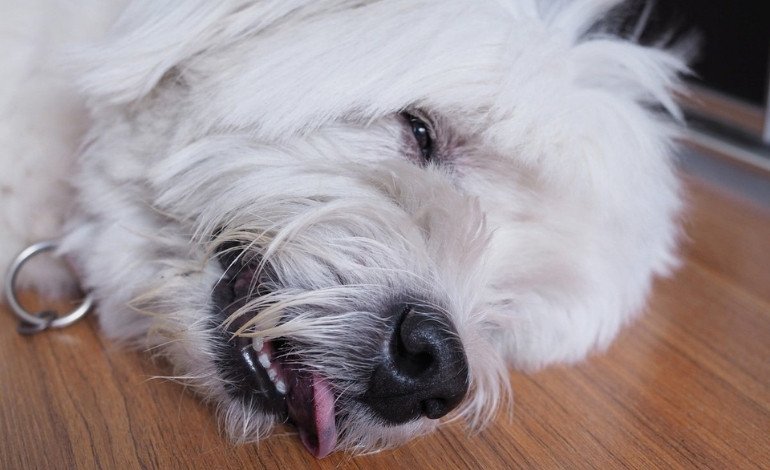
A first seizure should always be evaluated by a veterinarian. Multiple seizures, seizures lasting several minutes, or severe body tremors require immediate care. Seizures can result from toxin exposure, metabolic disease, brain disorders, or other life-threatening conditions.
5. Heavy bleeding that doesn’t stop

Deep cuts, bite wounds, or injuries from accidents can lead to severe blood loss. Apply gentle pressure with a clean cloth if possible, but don’t delay your trip to the veterinarian. Heavy bleeding may also hide damage beneath the skin that needs prompt treatment.
6. A swollen or hard abdomen

A swollen belly can signal a dangerous condition called gastric dilatation-volvulus, also known as bloat. Dogs with this condition often pace, drool, and try to vomit without bringing anything up. Bloat is life-threatening and requires emergency pet surgery as soon as possible.
7. Suspected poisoning
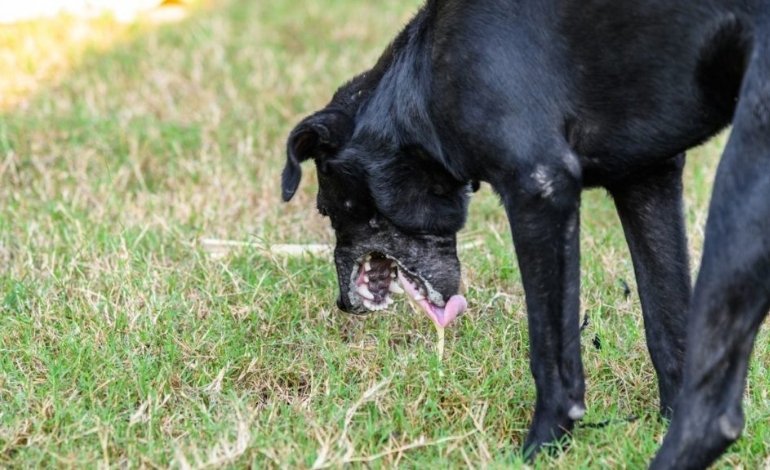
Pets are naturally curious, and they may eat something harmful before you notice. Chocolate, xylitol, human medications, rodenticides, antifreeze, and certain plants can all cause poisoning. Recognizing the symptoms of pet poisoning early can help you respond faster.
Don’t try home remedies or make your pet vomit unless a veterinarian instructs you to do so. Bring any packaging with you and head to an emergency veterinarian right away.
8. Straining to urinate with little or no urine

If your dog or cat keeps trying to urinate but produces little or no urine, seek emergency care immediately. This problem is especially dangerous in male cats because a urinary blockage can become life-threatening within hours. Your pet may also cry, lick the area often, or hide because of pain.
9. Heatstroke

Hot California weather can put pets at risk for heatstroke. Heavy panting, thick drool, bright red or pale gums, weakness, vomiting, collapse, or seizures all need immediate veterinary attention. While you travel, move your pet to a cool place and use cool, not cold, water to help lower body temperature. Heatstroke affects multiple organs and should never be treated at home.
10. Severe pain

Pets often hide pain until it becomes intense. Crying, shaking, refusing to walk, hiding, or reacting aggressively when touched may all signal severe discomfort. Pain can result from injuries, internal disease, or other serious conditions that require prompt diagnosis. Your veterinarian can identify the cause and provide safe pain relief.
11. Pale, blue, or gray gums
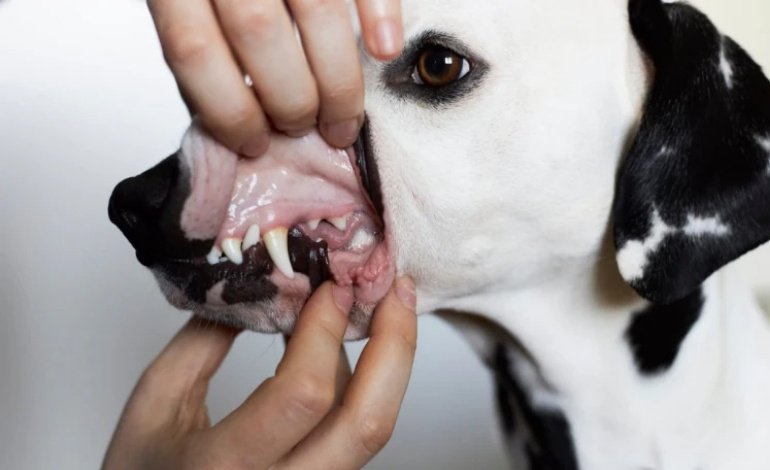
Healthy gums should look pink and moist. Pale, blue, or gray gums can mean your pet isn’t getting enough oxygen or has poor blood circulation. These color changes may happen with shock, severe blood loss, heart disease, or breathing problems. Check your pet’s gums if they suddenly seem weak or collapse, then seek emergency care immediately.
12. Hit by a car or serious injury
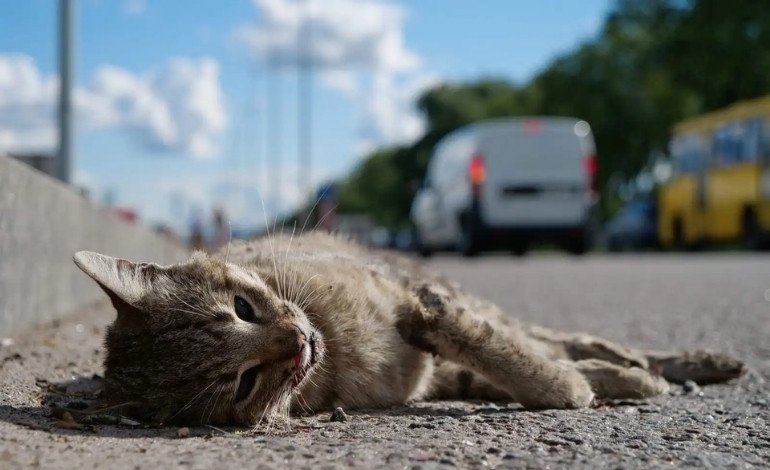
Even if your pet stands up after an accident, internal injuries may not appear right away. Falls, car accidents, or large bite wounds can damage organs, cause fractures, or lead to internal bleeding. Your pet needs a thorough examination because some injuries become dangerous hours after the event.
What Should You Do Before Reaching an Emergency Vet for Urgent Pet Care?
The first few minutes after an emergency matter. Staying calm helps both you and your pet.
- Call Hot Springs Animal Hospital while you’re on the way so our team can prepare for your arrival.
- Keep your pet as still as possible during transport.
- Use a secure leash, carrier, or blanket to prevent further injury.
- Never give human medications unless your veterinarian tells you to.
- Bring any medication bottles, toxin packaging, or medical records if available.
- Stay with your pet and speak in a calm voice during the trip.
Which Emergency Vet Symptoms Need Immediate Care and Which Can Wait?
Making the right decision during a stressful moment can feel overwhelming. This comparison gives you a simple way to understand when your pet should receive immediate veterinary attention instead of waiting.
| Monitor at Home | Visit an Emergency Vet Immediately |
| One episode of vomiting while acting normally | Repeated vomiting with weakness or blood |
| Small surface cut with minimal bleeding | Heavy bleeding or a deep wound |
| Mild limp after exercise | Can’t stand or suddenly collapses |
| Brief tiredness after play | Difficulty breathing or choking |
| Mild stomach upset with normal behavior | Swollen abdomen or repeated unsuccessful retching |
| Normal panting after activity | Heavy panting with collapse or bright red gums |
Why Is Knowing When to Call an Emergency Vet So Important?
Many emergency conditions become more serious with every passing minute. Early veterinary care can reduce pain, prevent complications, and improve your pet’s chances of recovery. If you’re unsure whether your pet needs emergency treatment, it’s always safer to call your veterinarian and ask for guidance.
Is Your Dog or Cat Showing These Pet Emergency Signs? Visit Hot Springs Animal Hospital Now!
Knowing the signs your pet needs emergency care helps you act before a condition becomes life-threatening. From breathing problems to poisoning, every symptom deserves careful attention. Understanding when to seek emergency care and what to do before leaving home can protect your pet when every minute counts.
Hot Springs Animal Hospital provides prompt emergency veterinary care, including rapid exams, diagnostics, pet X-rays, oxygen support, pain management, and stabilization for urgent cases. Our compassionate team is ready to help your pet receive timely treatment.
Write to us here, schedule an appointment, or call (951) 600-0830 for emergency guidance and immediate veterinary care.
Frequently Asked Questions
Share This Article

Written by : Hot Springs Animal Hospital
Hot Springs Animal Hospital is dedicated to providing exceptional veterinary care in Murrieta, CA. Our experienced team is passionate about keeping pets healthy through preventive care, advanced treatments, and compassionate service. We proudly serve pet parents with a full range of veterinary services to ensure every pet lives a long, happy life.