Share This Article
※ Effective senior dog care focuses on preventing age-related health problems before they become more serious. Twice-yearly veterinary exams, appropriate nutrition, and joint support help maintain comfort and mobility. Watching for changes in thirst, appetite, vision, or behavior supports earlier medical intervention.
- Key Takeaways
- When Is a Dog Considered a Senior?
- Senior Dog Wellness Guide: 12 Ways to Keep Your Pet Healthy and Happy
- Which Senior Dog Health Changes Should You Never Ignore?
- Monthly Senior Dog Health Checklist
- When Should You Take Your Pet to the Vet for a Senior Dog Wellness Exam?
- Make Every Senior Year Count With Hot Springs Animal Hospital!
- Give Your Senior Dog the Care They Need
- Frequently Asked Questions
- At what age is a dog considered a senior?
- How often should senior dogs have wellness exams?
- What tests are recommended for senior dogs?
- How much exercise does a senior dog need?
- What are the signs of arthritis in senior dogs?
- How can I improve my senior dog's quality of life?
- When should I take my senior dog to the veterinarian?
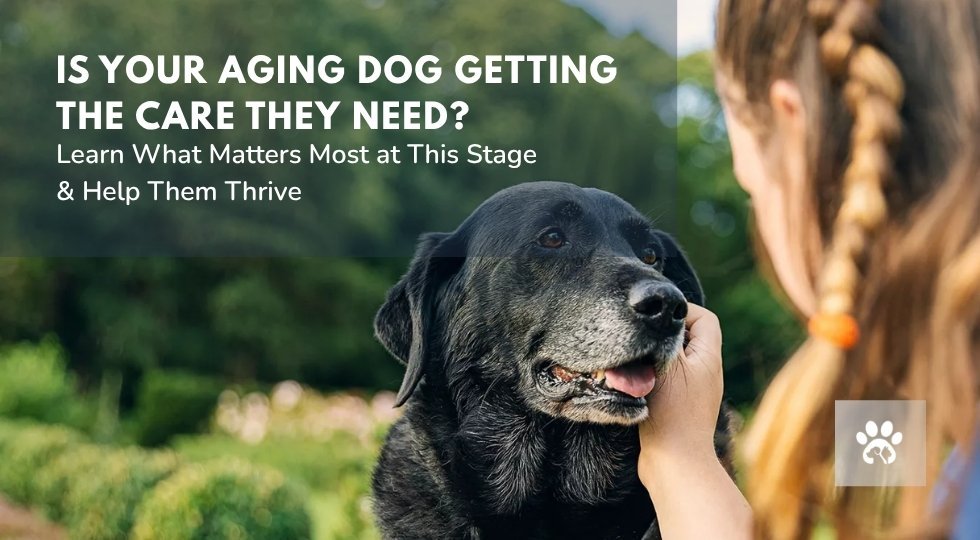
“Old age is not a disease.” At Hot Springs Animal Hospital, we often share this reminder with pet parents because growing older doesn’t mean your dog has to lose comfort, happiness, or quality of life. With the right care, many senior dogs continue enjoying walks, playtime, and family moments for years.
The key is recognizing health changes early and supporting your dog’s changing needs before small concerns become larger problems.
In this senior dog wellness guide, you’ll learn when dogs become seniors, how to care for a senior dog, warning signs that need veterinary attention, a simple monthly wellness checklist, and when to schedule a veterinary visit for personalized senior care.
Key Takeaways
➤ Senior dogs need wellness exams every six months because early care helps detect health problems before they become serious.
➤ Good nutrition, gentle exercise, weight management, and dental care help senior dogs stay healthier and more comfortable.
➤ Watch for changes in thirst, appetite, movement, or behavior because they can signal underlying medical conditions.
➤ Monthly health checks at home help you notice small changes between veterinary visits.
➤ Fast veterinary care gives aging dogs the best chance for a healthier, happier life.
When Is a Dog Considered a Senior?
Senior age varies from one dog to another, depending on size. Smaller breeds usually age more slowly, while larger breeds become seniors earlier. Understanding this is an important part of senior dog care.
| Dog Size | Senior Age |
| Small breeds | Around 10 to 12 years |
| Medium breeds | Around 8 to 10 years |
| Large breeds | Around 7 to 8 years |
| Giant breeds | Around 5 to 7 years |
Your veterinarian can help determine when you should begin wellness care for senior dogs based on their breed, lifestyle, and overall health. You can also follow our pet wellness exam guide to plan preventive care at the right time.
Senior Dog Wellness Guide: 12 Ways to Keep Your Pet Healthy and Happy
Your senior dog’s health depends on the care you provide every day. A few thoughtful habits can help them stay active, comfortable, and happy for longer. Here are simple ways to support your aging companion through every stage of their senior years.
- Schedule wellness exams every six months: Senior dogs benefit from pet wellness exams twice a year because health changes can happen quickly. Hot Springs Animal Hospital recommends vet visit frequency every six months for aging pets to support early detection and treatment.
- Feed a balanced senior diet: Choose a diet that supports healthy muscles, weight, and organ function. Your veterinarian can recommend food based on your dog’s medical needs outlined in your senior dog wellness guide.
- Maintain a healthy weight: Extra body weight places more pressure on aging joints and may worsen arthritis. A healthy weight also supports heart health and mobility.
- Keep daily exercise gentle but consistent: Short walks and low-impact play help maintain muscle strength, joint flexibility, and mental well-being without putting too much strain on the body.
- Support joint health and mobility: Many senior dogs develop arthritis with age. Your veterinarian may recommend joint supplements, pain management, or rehabilitation based on your dog’s condition.
- Prioritize dental care: Dental disease can affect more than your dog’s mouth. Professional pet dental care and regularly cleaning your dog’s teeth at home help protect overall health because bacteria from infected gums may spread through the bloodstream. Hot Springs Animal Hospital examines your dog’s teeth during senior pet wellness visits.
- Stimulate your dog’s brain every day: Puzzle toys, gentle training sessions, and scent games help keep your dog’s mind active and may slow age-related cognitive changes.
- Make your home easier to move around: Place non-slip rugs on smooth floors and provide supportive bedding. Ramps can also make it easier to reach favorite resting spots.
- Keep vaccinations and parasite prevention updated: Senior dogs still need protection from preventable diseases and parasites. Your veterinarian will recommend pet vaccines and pet parasite prevention based on your dog’s lifestyle.
- Watch for changes in vision and hearing: Cloudy eyes, bumping into furniture, or delayed responses may signal age-related vision or hearing loss. Early evaluation helps identify treatable conditions.
- Monitor water intake and bathroom habits: Changes in drinking, urination, or bowel movements may point to kidney disease, diabetes, or other medical conditions that need veterinary care. Careful observation is an important part of senior dog care.
- Give your dog plenty of love and routine: A predictable routine helps senior dogs feel secure. Daily affection, gentle interaction, and quality time also support emotional well-being.
Which Senior Dog Health Changes Should You Never Ignore?
Some changes may seem like normal aging, but they can also signal an underlying medical problem. Contact your veterinarian if you notice any of these signs during aging dog care.
| Health Change | What It Could Mean |
| Drinking much more water | Diabetes or kidney disease |
| Unexplained weight loss | Organ disease or cancer |
| Persistent bad breath | Dental disease |
| Limping or stiffness | Arthritis or injury |
| Confusion or getting lost | Cognitive dysfunction |
| Ongoing coughing | Heart or respiratory disease |
| Loss of appetite | Pain or underlying illness |
Many chronic conditions respond better when diagnosed early. Regular wellness exams and prompt attention to new symptoms can improve your dog’s comfort and quality of life.
Monthly Senior Dog Health Checklist
Between veterinary visits, spend a few minutes each month checking your dog’s overall health.
- Check body weight for unexpected gain or loss.
- Feel for any new lumps or bumps.
- Watch for changes in appetite or thirst.
- Observe walking, climbing, and standing.
- Look at teeth and gums for redness or bad breath.
- Check eyes and ears for discharge or irritation.
- Monitor bathroom habits for unusual changes.
- Notice changes in sleep, behavior, or activity levels.
Keeping notes about these observations helps your veterinarian spot important health trends during wellness visits. At Hot Springs Animal Hospital, wellness exams include checks of your dog’s body condition, joints, teeth, eyes, ears, skin, and overall health to support healthy aging.
When Should You Take Your Pet to the Vet for a Senior Dog Wellness Exam?
Some changes require immediate attention instead of waiting for the next wellness visit. Contact your veterinarian if your senior dog shows any of these signs:
- Refuses food for more than 24 hours
- Has difficulty breathing
- Collapses or can’t stand
- Vomits or has diarrhea that continues
- Shows blood in urine or stool
- Cries out or struggles to walk
- Drinks much more water than usual
- Seems confused or becomes disoriented
These symptoms can point to conditions such as arthritis, diabetes, kidney disease, heart disease, or other illnesses. Early diagnosis often gives your veterinarian more treatment options and can improve your dog’s comfort and quality of life.
Regular wellness exams, diagnostic testing, and careful monitoring help identify many health concerns before they become emergencies.
Make Every Senior Year Count With Hot Springs Animal Hospital!
Helping your senior dog age well starts with small, consistent steps every day. Regular wellness exams, proper nutrition, healthy weight, gentle exercise, and early attention to changing habits all support better health and comfort throughout the senior years for every aging companion at home.
At Hot Springs Animal Hospital, we provide personalized senior wellness exams, preventive senior dog care, diagnostic testing, and ongoing treatment plans tailored to your dog’s changing needs. Our team is committed to helping your companion enjoy every stage of life.
Write to us here, schedule an appointment, or call (951) 600-0830 to support your senior dog’s health with personalized veterinary care.
Frequently Asked Questions
Share This Article

Written by : Hot Springs Animal Hospital
Hot Springs Animal Hospital is dedicated to providing exceptional veterinary care in Murrieta, CA. Our experienced team is passionate about keeping pets healthy through preventive care, advanced treatments, and compassionate service. We proudly serve pet parents with a full range of veterinary services to ensure every pet lives a long, happy life.