Share This Article
Pet microchipping works by placing a rice-sized identification chip beneath your pet's skin. The chip doesn't track your pet's location like a GPS device. Instead, it stores a unique identification number that appears when scanned by a veterinarian or shelter using a compatible reader. This helps to quickly identify your pet and contact you.
- Key Takeaways:
- Why Pet Microchipping Is Important?
- When Should Puppies or Kittens Get Microchipped?
- How the Pet Microchipping Process Works at a Murrieta Veterinary Clinic
- What Happens After Your Pet Is Microchipped?
- Microchip vs GPS Pet Trackers: What’s the Difference?
- How Microchipping Helps Lost Pets in Murrieta Get Home Faster?
Key Takeaways:
Microchipping Provides Permanent Identification: Pet microchips stay under the skin for life and help identify lost pets even if collars or tags are missing.
Registration Is Essential: A microchip only works properly when the owner’s contact information is registered and kept up to date.
Puppies and Kittens Can Be Microchipped Early: Many Murrieta veterinarians recommend microchipping pets as early as 6 to 8 weeks during wellness visits or vaccinations.
Microchips Do Not Track GPS Location: Pet microchips store a unique ID number that veterinarians and shelters can scan to identify pet owners.
Shelters and Veterinary Clinics Scan Lost Pets: Animal shelters and vet clinics in Murrieta routinely scan found pets for microchips to help reunite them with owners faster.
Microchips Work Best Alongside GPS Trackers: Microchips provide permanent identification, while GPS trackers help owners actively monitor their pet’s location in real time.
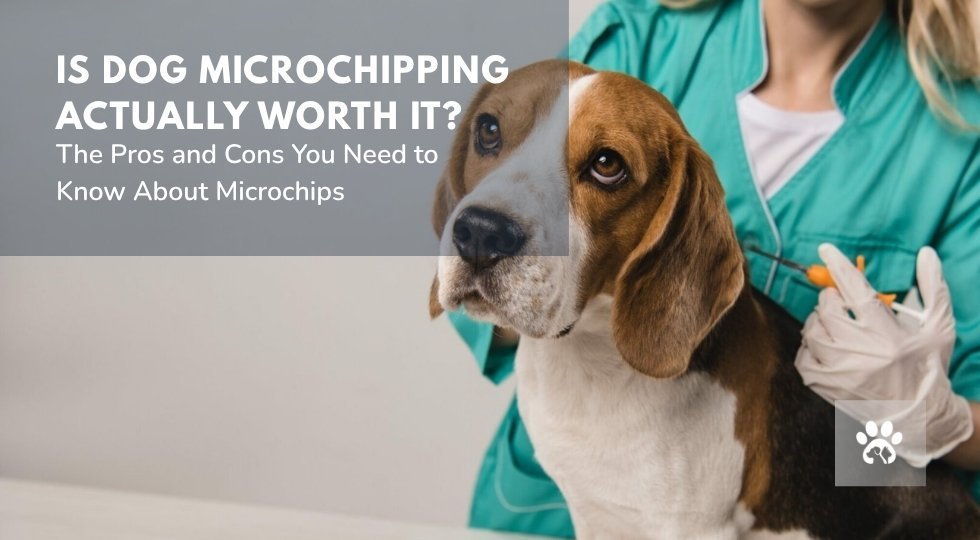
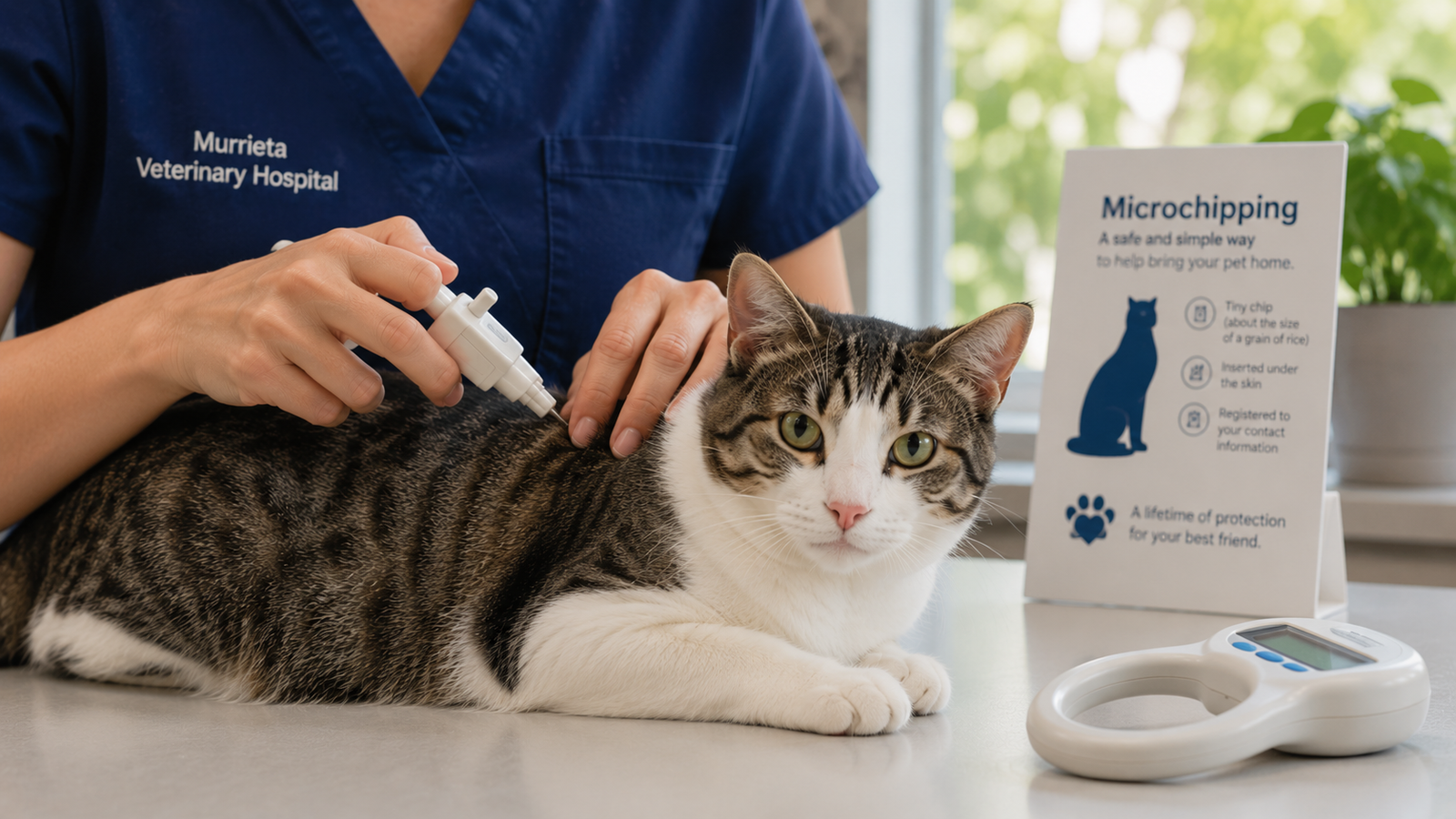
Pet microchipping, something Murrieta pet owners ask about all the time, is simple. A Pet Microchipping Service in Murrieta involves placing a tiny chip, about the size of a grain of rice, under your pet’s skin.
It does not show GPS location. It stores a unique ID number that can be read with a microchip scanner vet clinic teams and shelters use every day.
That number links to your contact details when you complete the pet microchip registration process.
Why Pet Microchipping Is Important?
Microchipping is a permanent pet identification method. Collars can break. Tags can fall off. But a microchip stays with your pet for life. It is also recommended by many veterinary clinics and shelters because it gives found pets another way home if visible ID is missing.
The benefits of microchipping pets include:
- Better odds of getting lost pets home faster
- Backup ID if a collar is missing
- Peace of mind for dog and cat owners
- Fast scanning at shelters and veterinary clinics
Indoor pets vs outdoor pets is not really a contest. Both need it. Indoor cats slip out open doors. Small dogs can run during fireworks or storms. In Murrieta, local shelters and vet clinics regularly scan found pets, so microchipping works for both dogs and cats in Murrieta. If someone asks, “Where to microchip my dog in Murrieta?” or “Is cat microchipping that Murrieta clinics offer worth it?”, the answer is yes.
When Should Puppies or Kittens Get Microchipped?
Puppy microchipping in Murrieta starts at around 6 to 8 weeks old. The same goes for kitten microchipping. Many veterinarians do it during regular wellness visits, often around the same time as early vaccinations. That makes it a smart preventive step for Murrieta pet owners.
How the Pet Microchipping Process Works at a Murrieta Veterinary Clinic
Step 1: Pre-Procedure Pet Health Check
First, your veterinarian will do a quick health check. This helps make sure your puppy, kitten, dog, or cat is healthy enough for the visit. It is also a good time to ask:
- Is microchipping painful for dogs?
- What is the pet microchip cost in Murrieta, CA?
- Can I do this with vaccines at the same appointment?
When discussing the cost for a microchip implant for pets in Murrieta, you can expect it to be anywhere between $35 to $60, depending on what is included.
Read more: How Much Does It Cost to Microchip a Cat?
Step 2: Pet Microchip Implantation Procedure: How Vets Implant Microchips
This is the part most people worry about, but it is very quick. The vet places the chip under the skin between the shoulder blades using a sterile needle. The feeling is similar to a routine vaccine. No surgery. No anesthesia. No long recovery time.
How vets implant microchips is simple:
- Your pet is gently held
- The skin is lifted slightly
- The chip is inserted in seconds
- The area is scanned right away to confirm the chip can be read
Step 3: Pet Microchip Activation & Registration
This step matters just as much as placing the chip. A microchip that is not registered cannot help much. After implantation, the chip number is linked to your name, phone number, address, and sometimes an emergency contact.
The pet microchip registration process usually includes:
- Scanning the chip number
- Confirming the registry company
- Creating or finishing your online account
- Adding current contact details
- Updating the record anytime your phone number or address changes
Read MOre: What Are the Dog Microchip Pros and Cons?
What Happens After Your Pet Is Microchipped?
After your pet is microchipped, the chip stays quietly under the skin. It does not need batteries. It does not need charging. It only works when a scanner passes over it.
Here is what happens next:
- A shelter or animal hospital scans the chip if your pet is found
- The scanner shows the chip number
- Staff check the matching registry
- They use your registration details to contact you
Annual vet visits in Murrieta are a great time to have the chip scanned again. This makes sure it can still be read and helps you remember to keep your registration updated. That part matters a lot because old phone numbers and old addresses can stop a fast reunion.
Read more: How Much Does It Cost to Microchip a Dog?
Microchip vs GPS Pet Trackers: What’s the Difference?
People often compare microchip vs GPS pet tracker tools, but they do different jobs. A microchip is for permanent identification after someone finds your pet and scans them. A GPS tracker is for active location tracking while the device is powered and attached.
| Feature | Microchip | GPS Pet Tracker |
| Main job | Permanent identification | Real-time location tracking |
| Needs battery | No | Yes |
| Works if collar falls off | Yes | Usually no, if attached to collar |
| Helps after found by vet or shelter | Yes | Not by itself |
| Shows live location | No | Yes |
Best answer? Use both if you can. A microchip helps prove who your pet belongs to. A GPS tracker helps you look for your pet right away.
How Microchipping Helps Lost Pets in Murrieta Get Home Faster?
Veterinarian microchipping that Murrieta clinics provide is important because local shelters and animal hospitals use scanners to check found pets.
Riverside County Animal Services tells finders to bring found pets to a nearby vet clinic or shelter for a free microchip scan. That simple step can speed up owner identification and help reduce the number of pets that stay in the stray system.
In 2024, RCAS said it took in more than 31,000 stray dogs and cats.
For people searching “microchipping pets near me in Murrieta,” the big reason to do it now is simple. You do not want to wait until your pet is missing.
Read more: How Long Do Microchips Last in Dogs? Murrieta Pet Owners Guide
Summary
How pet microchipping works is easy to understand. Your vet does a quick health check, places the chip in seconds, then helps you finish the registration.
The chip is safe, simple, and one of the best tools for permanent pet identification. If you have a new puppy, a playful kitten, or an older rescue dog or cat, microchipping is a small step that can make a very big difference.
At Hot Springs Animal Hospital, we handle microchipping as part of routine care, not a one-off add-on. We place the chip quickly during a regular visit and make sure it can be scanned and tied back to your information, so it actually works if your pet is ever found. It’s a small step we include alongside wellness checks, vaccines, and other preventive care because it directly supports one outcome that matters most: getting your pet back to you without delay.
You can contact our expert vet team if you have any questions or concerns.
Frequently Asked Questions
Share This Article

Written by : Hot Springs Animal Hospital
Hot Springs Animal Hospital is dedicated to providing exceptional veterinary care in Murrieta, CA. Our experienced team is passionate about keeping pets healthy through preventive care, advanced treatments, and compassionate service. We proudly serve pet parents with a full range of veterinary services to ensure every pet lives a long, happy life.
All Categories
Related Articles

October 5, 2026